
The PRS database: what every landlord and letting agent needs to know
Every privately rented home in England is about to need its own entry on a national register. Registration opens region by region from 15 December 2026, and each property costs £65 a year to register.
On this page
- What is the PRS database?
- Who has to register, and which properties?
- When do you have to register?
- How much does registration cost?
- How does registration work?
- What information is needed?
- Can a letting agent register a property for a landlord?
- What happens if a property is not registered?
- How does the PRS database connect to property licensing?
- Will the PRS database be public?
- Is “Register your rental property” the same thing?
- Is the PRS database the same as the Landlord Ombudsman?
- What’s changed
- Frequently asked questions
What is the PRS database?
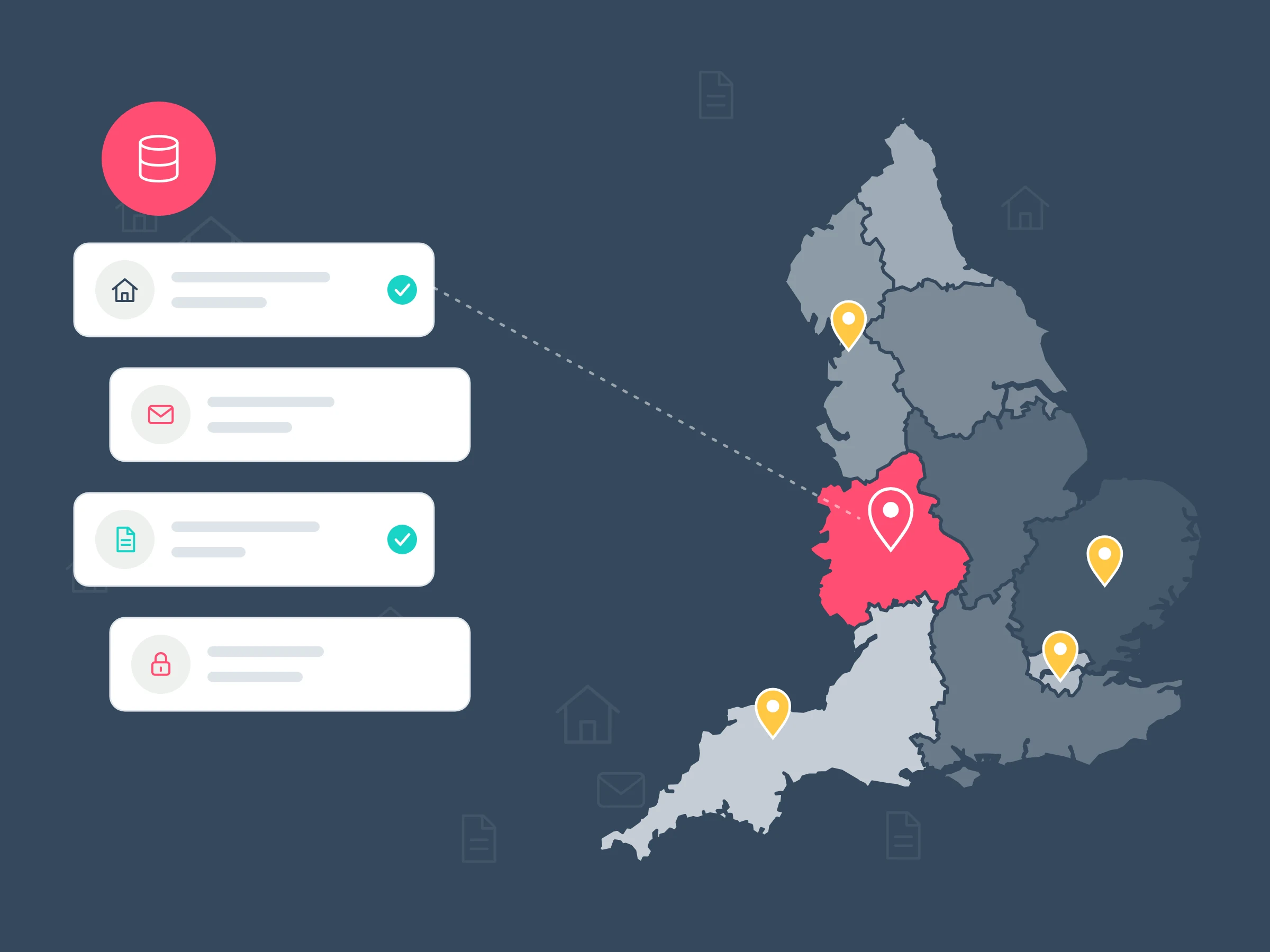
The PRS database is a national register of private landlords and the homes they let in England. It was created by the Renters’ Rights Act 2025, and landlords will use a GOV.UK service called “Register your rental property” to add each property. Councils will use the information to see who lets which homes and whether those homes meet legal requirements.
Until now no single record has shown which homes in England are privately rented, who owns them or whether they hold the licences and safety certificates the law requires. Councils have worked from tenant complaints, licence applications and their own surveys. The database changes that. Once a region’s deadline passes, the council has a property-by-property picture of its private rented stock.
Who has to register, and which properties?
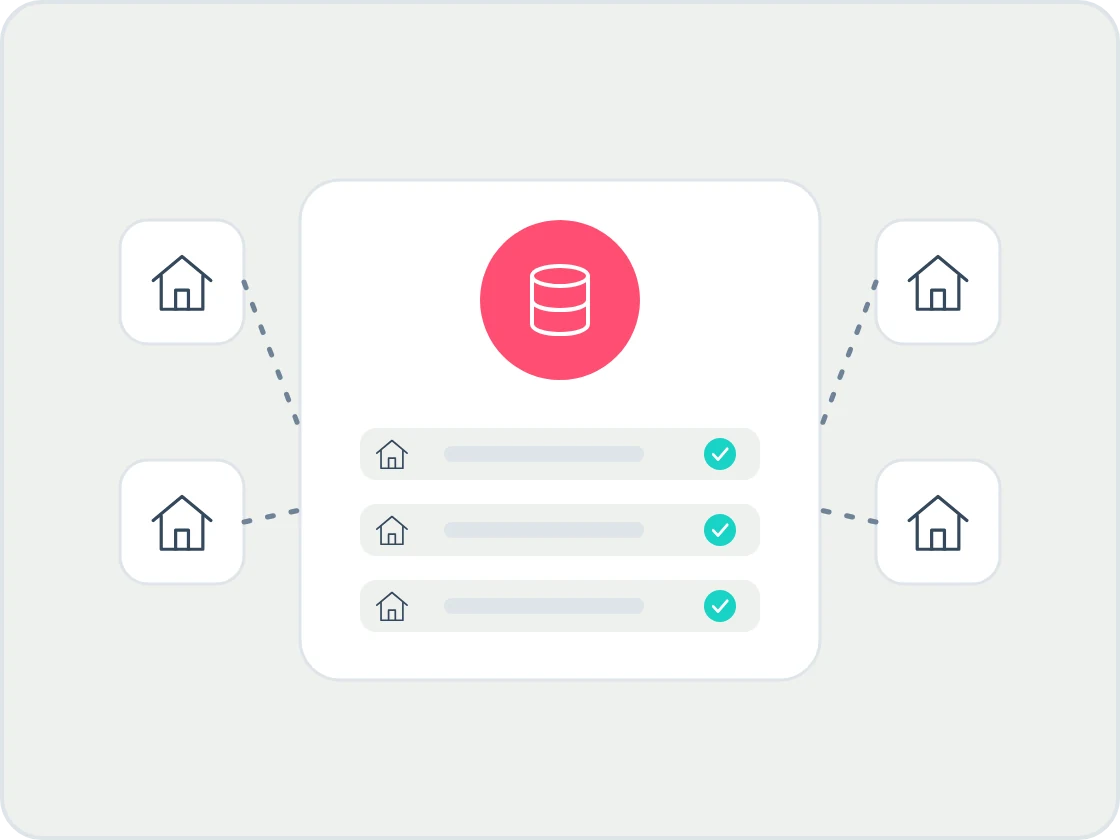
Landlords with homes let on assured or regulated tenancies must register each property, and register themselves as a landlord. In the first phase that means homes that are let now, or become let during the rollout. Each property needs its own entry, even when one landlord owns hundreds.
- Individual landlords register in their own name.
- Company and organisational landlords register as the organisation, with a nominated contact.
- Joint owners each take part in the registration.
- Supported exempt accommodation is excluded.
Short lets sit outside this scheme. MHCLG has indicated that a separate register for short lets is planned.
When do you have to register?
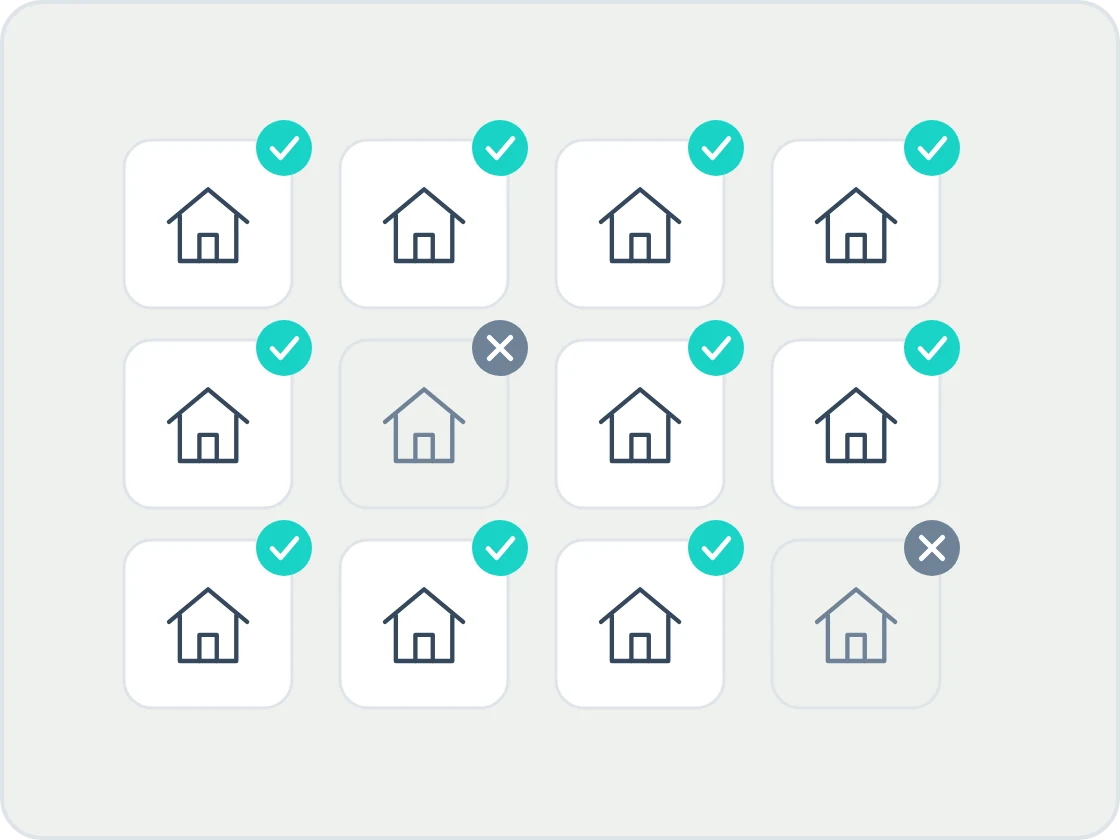
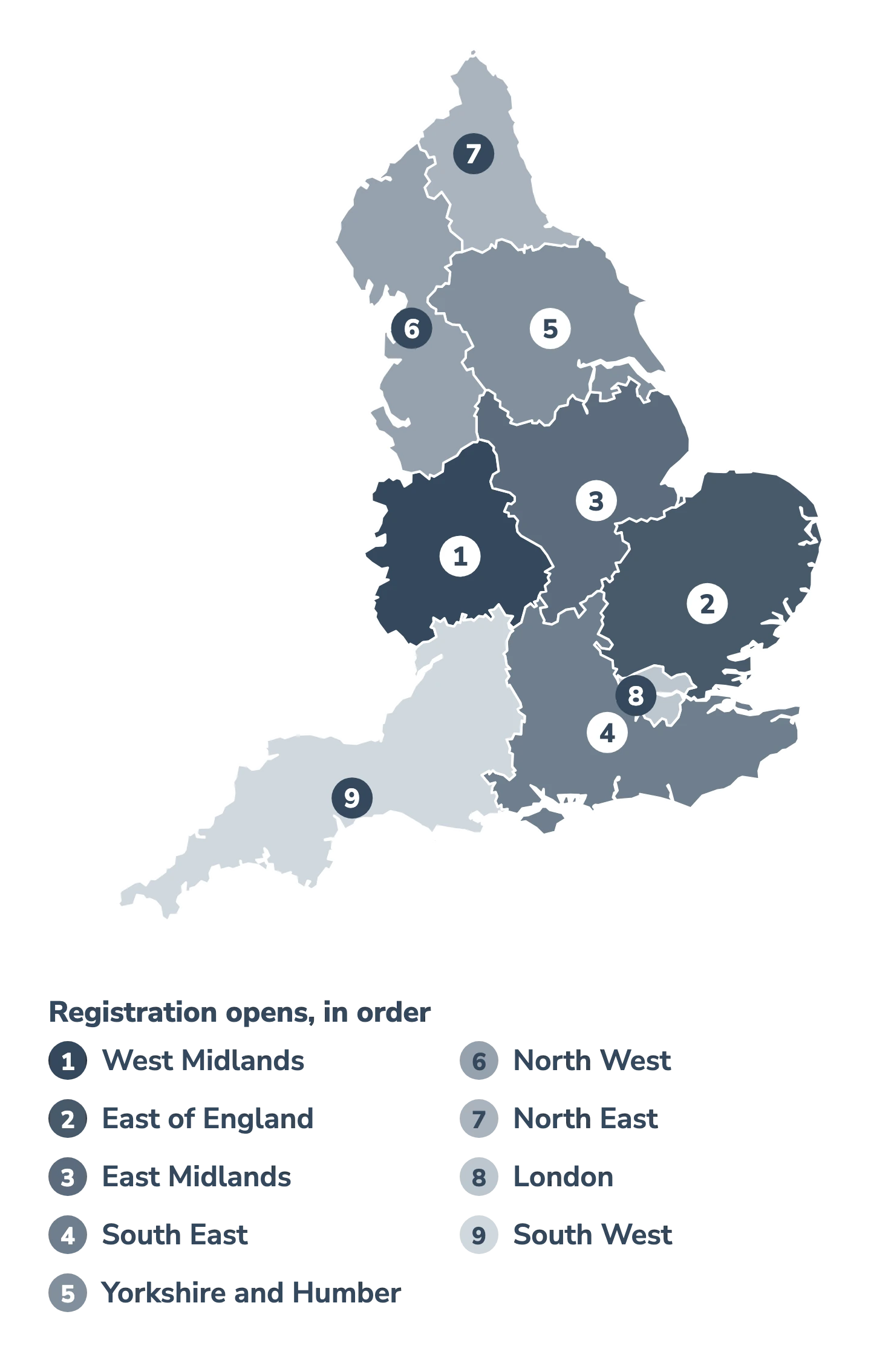
Registration opens in one region at a time. Each region gets a three-month window, and the deadline depends on where the property is, not where the landlord or agent is based. A portfolio spread across England will therefore have several deadlines.
| Region | Registration opens | Deadline |
|---|---|---|
| West Midlands | 15 December 2026 | 14 March 2027 |
| East of England | 15 January 2027 | 14 April 2027 |
| East Midlands | 15 February 2027 | 14 May 2027 |
| South East | 15 March 2027 | 14 June 2027 |
| Yorkshire and the Humber | 15 April 2027 | 14 July 2027 |
| North West | 15 May 2027 | 14 August 2027 |
| North East | 15 June 2027 | 14 September 2027 |
| London | 15 July 2027 | 14 October 2027 |
| South West | 15 August 2027 | 14 November 2027 |
The date to register by is the end of the three-month window the government publishes on the Housing Hub, after which councils in the region can begin enforcement. The draft Regulations fix when each region opens, not a date to register by.
You can register as soon as your region opens. Registering early spreads the work out, which matters more the more properties you manage.
How much does registration cost?
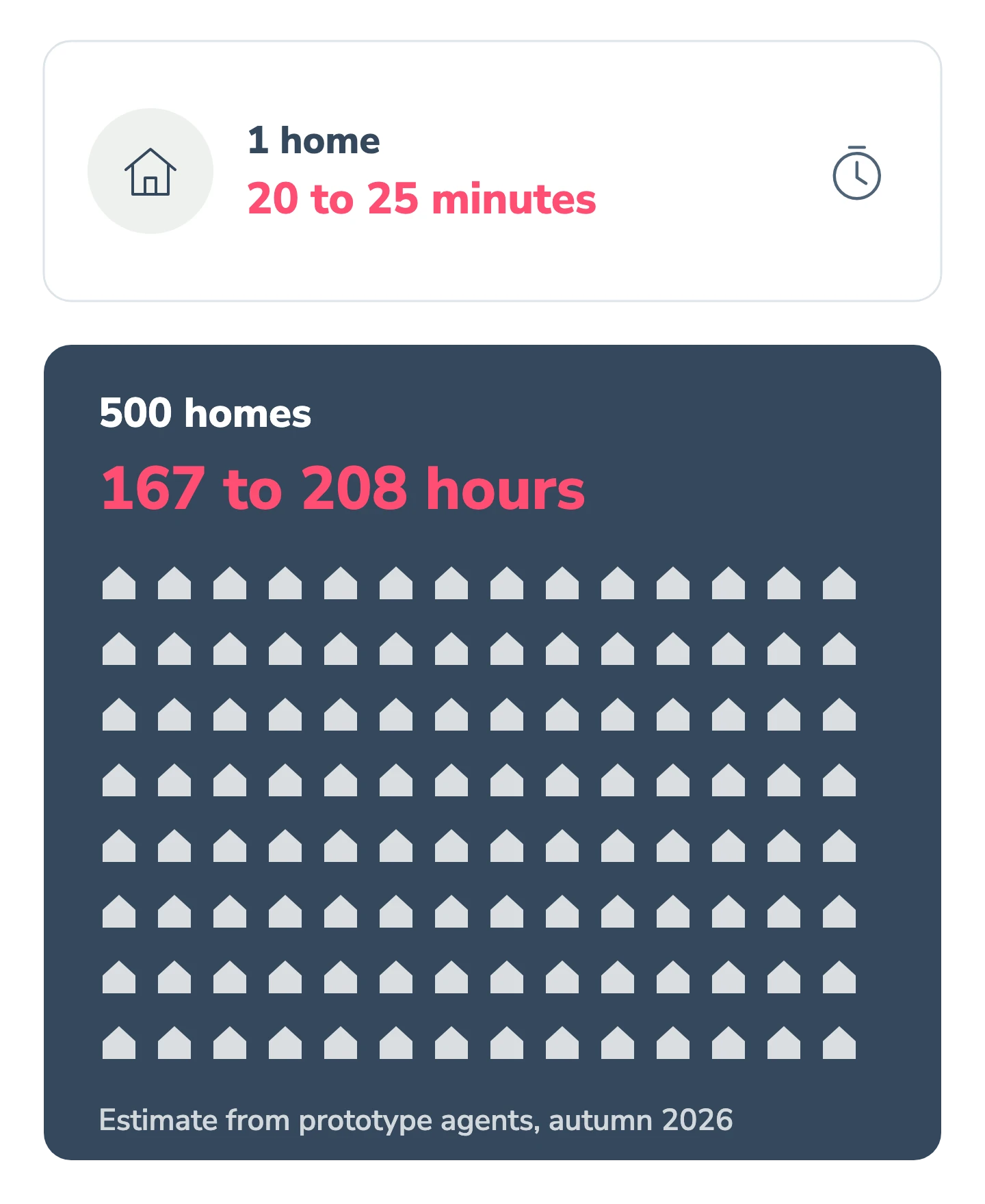
Registration costs £65 per property, per year, paid by the landlord when they submit. The fee is pro-rated during the rollout and every entry has to be renewed annually. A landlord with 10 properties pays £650 a year. An agent managing 2,000 homes is overseeing £130,000 of fees a year on behalf of its landlords, before any staff time.
How does registration work?
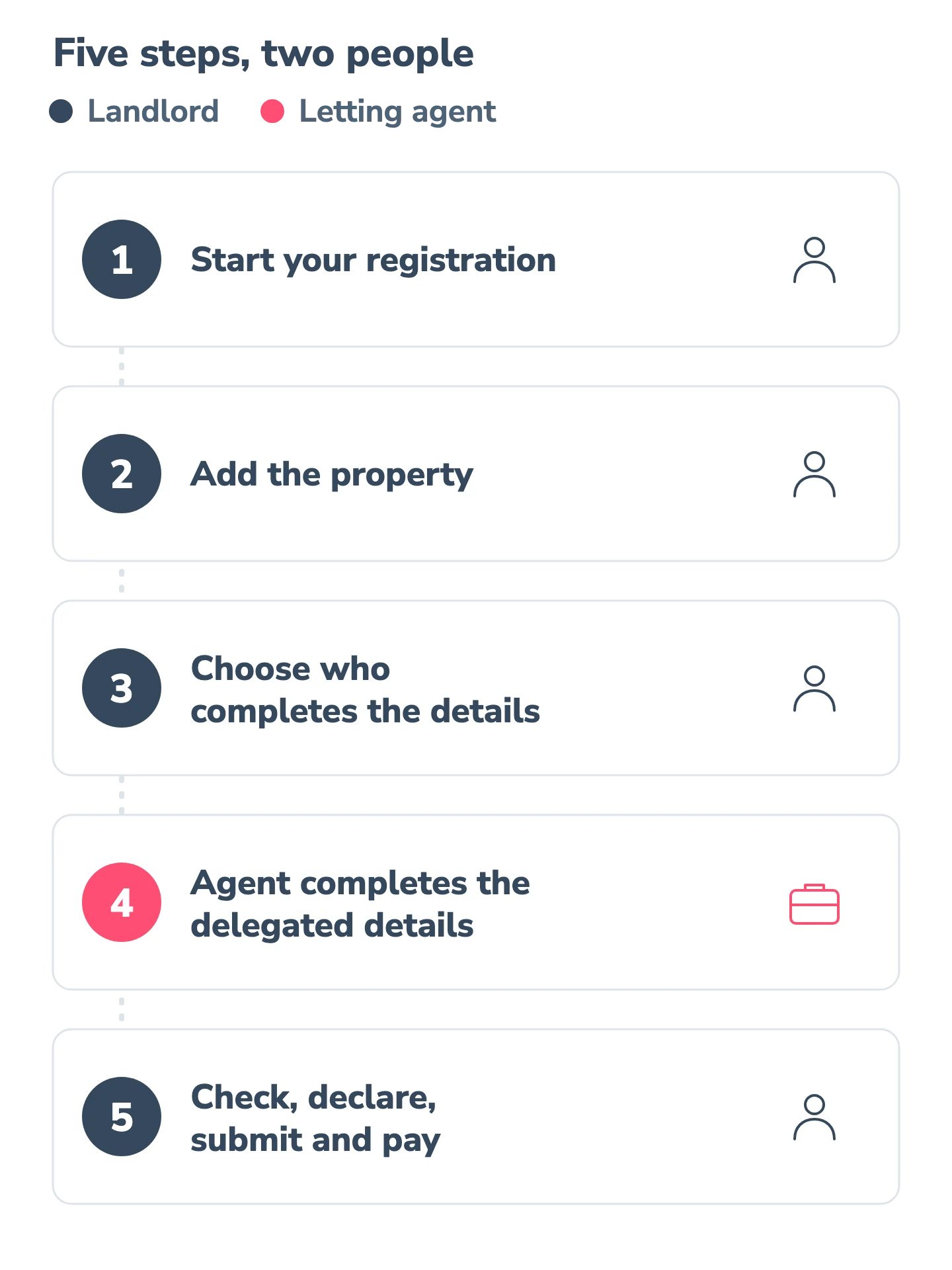
Registration is done one property at a time, and the landlord starts and finishes every entry. In between, the landlord can hand the property details over to their letting agent or property manager.
The landlord starts the registration and creates their landlord entry.
Landlord
The landlord adds the property and its ownership details.
Landlord
The landlord chooses who completes the property details
LandlordThemselves, or an appointed agent or property manager.
The property details are completed
Agent or landlordOccupants, households, rent, furnishing, licensing and safety certificates.
The landlord checks, declares, submits and pays.
Landlord
The landlord and property details are needed when the entry is made. The tenancy and compliance details, which an agent can provide, are due within 28 days.
What information is needed?
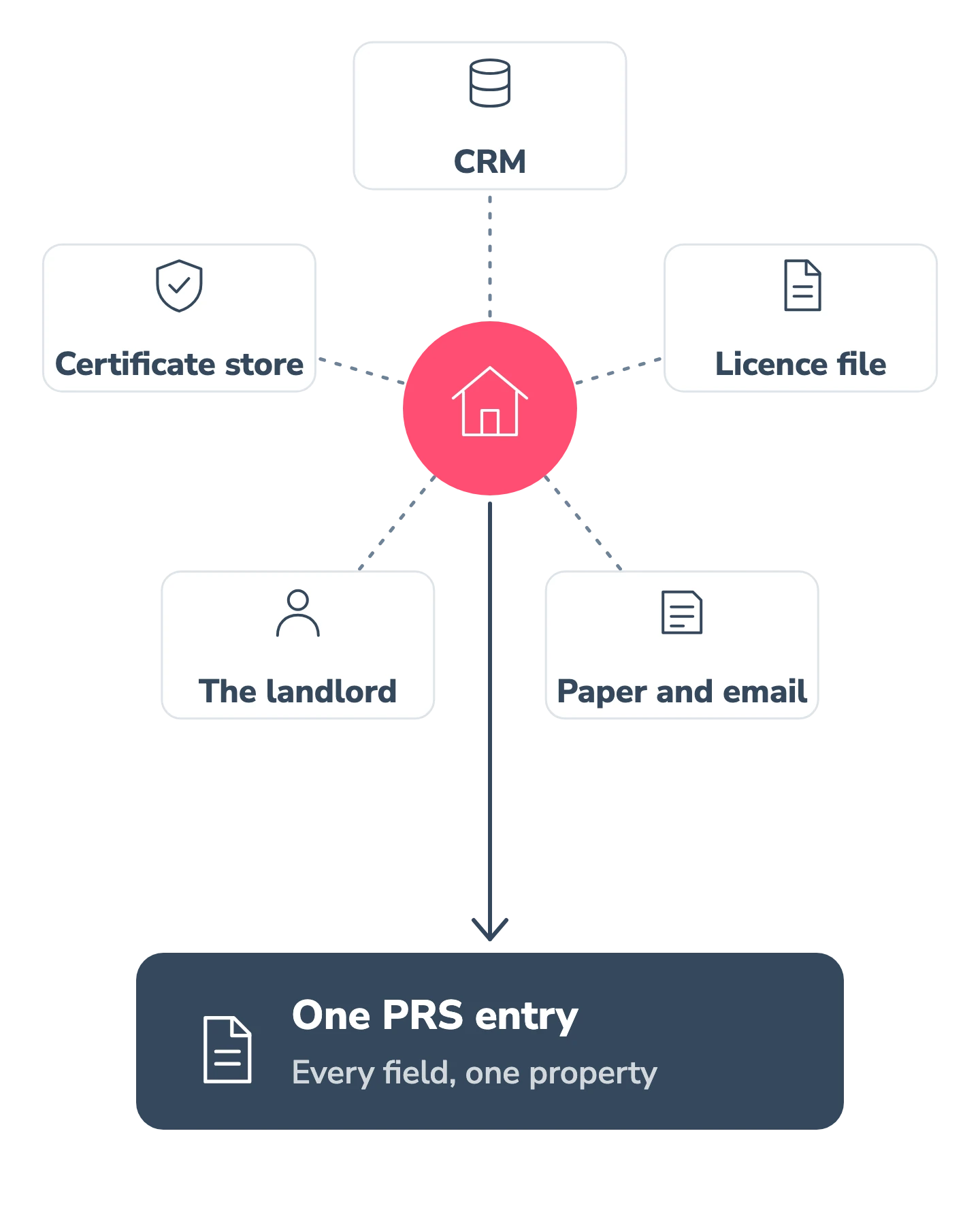
Each registration asks for details about the landlord, the property, the tenancy and its compliance. Much of it sits with the letting agent rather than the landlord: occupant and household numbers, rent and payment frequency, licence references and safety certificate dates.
Landlord details
name, contact details, company and director details for organisations
Property details
address, type, bedrooms, ownership, whether it is let
Tenancy details
occupants, households, rent, frequency, bills included, furnishing
Compliance details
licence type and number, gas safety record, EICR, EPC
Can a letting agent register a property for a landlord?
No. Under the draft regulations the landlord must create the entry, make the final declaration and pay. A letting agent or property manager can be appointed to provide the property’s details, which is often the largest part of the work. The landlord stays legally responsible for the accuracy of what is submitted.
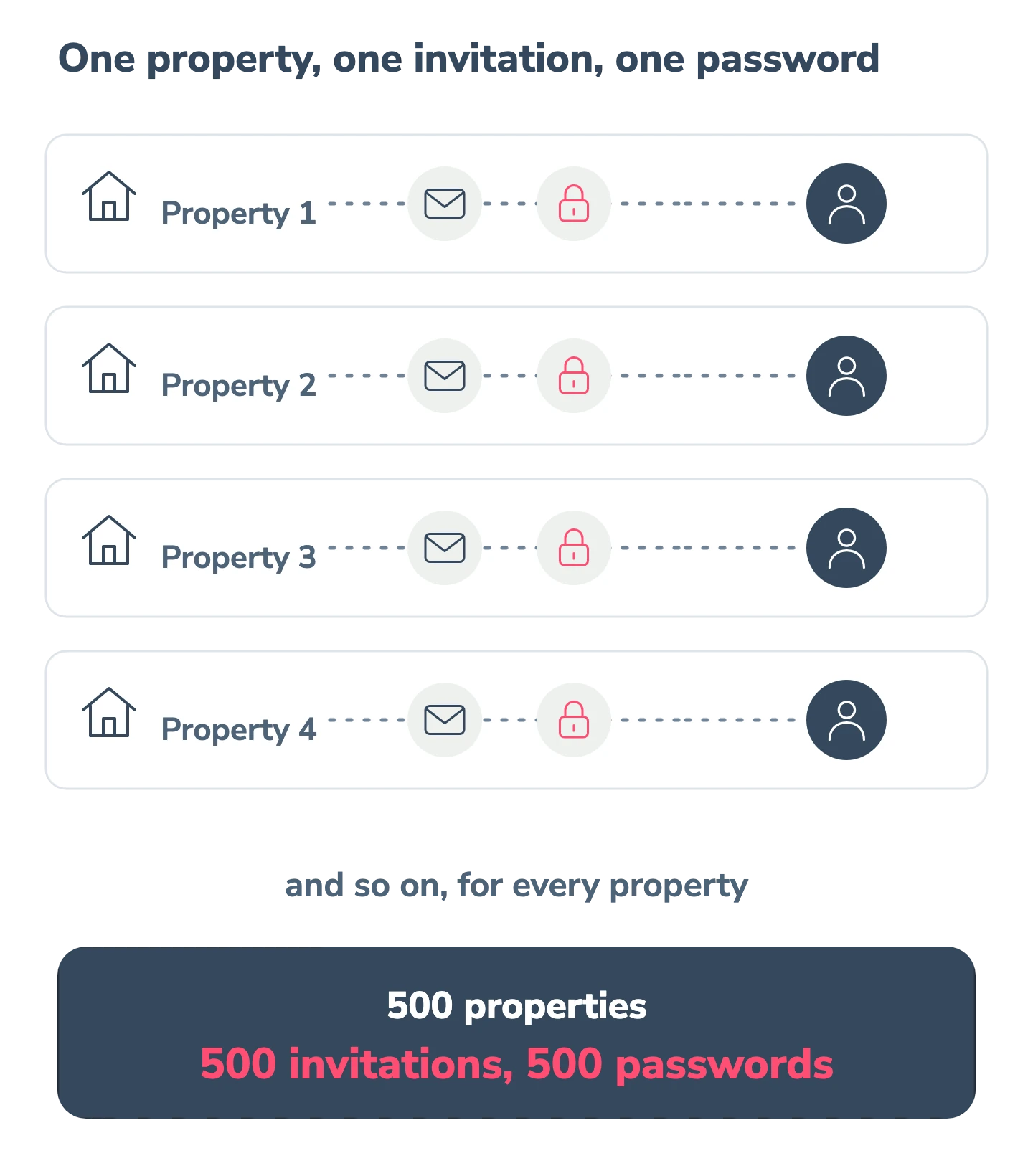
For agents this creates a new workflow. Each appointment arrives one property at a time, and the government has said no bulk upload is planned (why there is no bulk upload). How landlords nominate an agent.
What happens if a property is not registered?
Councils can fine landlords who fail to register, and courts will not grant most possession orders while a landlord is in breach. Knowingly giving false information is an offence. Do adverts need a registration number? See the advertising rules.
These penalties are in the Renters’ Rights Act 2025 but are not yet in force. They are expected to apply as each region’s registration duty begins.
| Breach | Consequence | Where it comes from |
|---|---|---|
| Not registered, or entry not kept up to date | Civil penalty up to £7,000 | Renters’ Rights Act 2025, s.91 |
| False information, or continuing breach after a penalty | Civil penalty up to £40,000, or prosecution | s.91 and s.92 |
| Seeking possession while in breach | Court cannot make most possession orders | s.90 |
| Marketing a let without active entries | Breach of the marketing rule | s.82 (start date to be confirmed) |
How does the PRS database connect to property licensing?
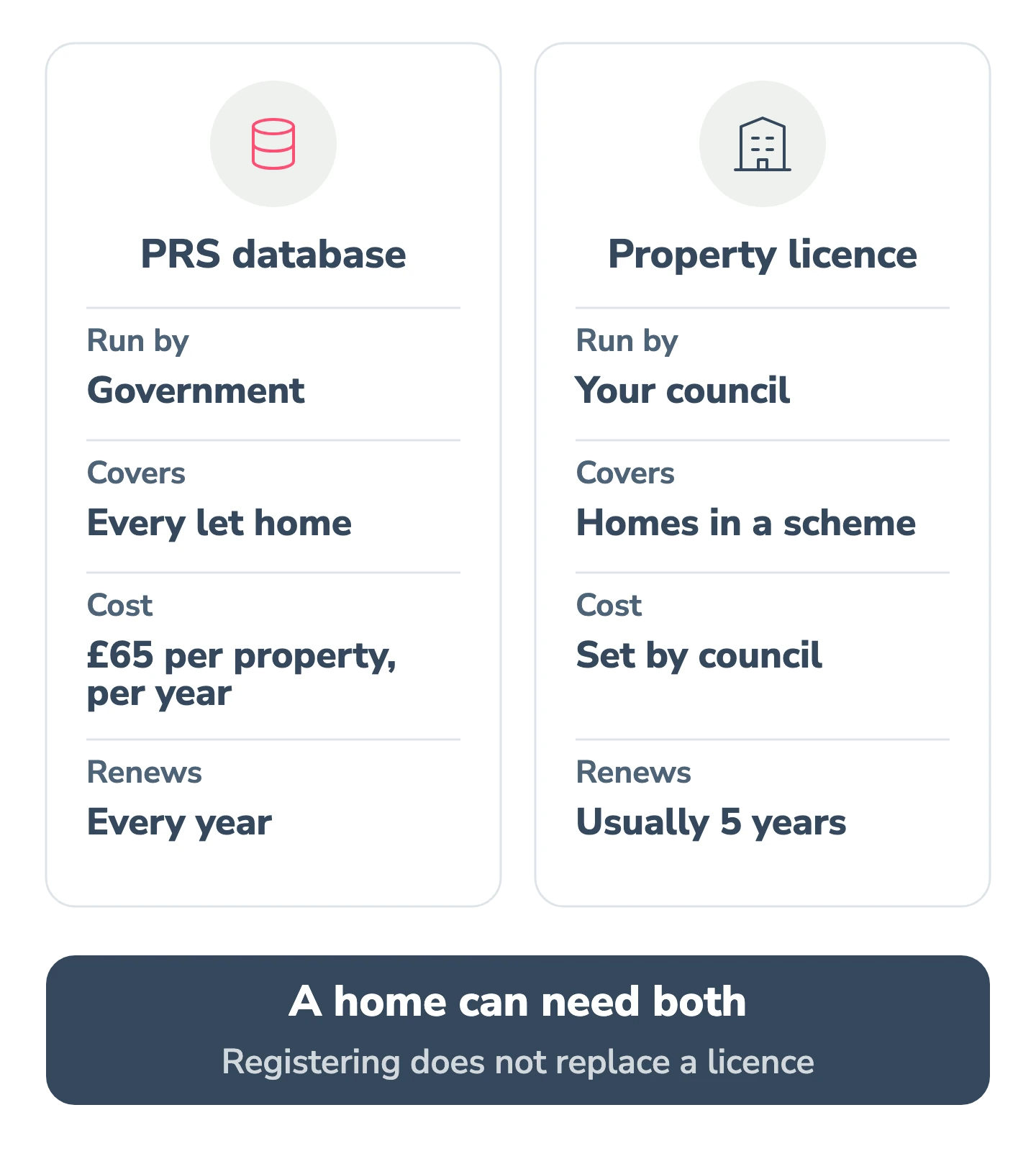
Registering on the PRS database does not license a property. A home in a selective, additional or mandatory HMO licensing scheme still needs that licence from the council, and each registration asks for the licence type and number under a false-information warning.
Telford & Wrekin Council, in the first region to open, has said the register “will provide further intelligence to ensure stronger protection and greater confidence for renters” (council statement, 15 September 2026). In our view, a property that is licensable but unlicensed will be much easier to find once its registration is in.
Will the PRS database be public?
Not yet decided. The Act lets the government choose which parts are public, and councils get access to the full record for their area. The government has said tenants will eventually be able to check a landlord’s registration. How this compares with other landlord registers.
Is "Register your rental property" the same thing?
Yes. “Register your rental property” is the name of the GOV.UK service landlords use to add entries to the PRS database. You will also see it called the private rented sector database, the landlord database or the national landlord register. They all refer to the same thing.
Is the PRS database the same as the Landlord Ombudsman?
No. The PRS Landlord Ombudsman is a separate scheme under the same Act, for resolving tenants’ complaints about landlords. Landlords will need to join both, and they are run separately.

What's changed
-
Guide published. Reflects the draft Private Rented Sector Database Regulations 2026 and the government’s September 2026 announcement.

Frequently asked questions
No. Registration opens region by region. Once your region’s window opens you can register straight away, and doing so early spreads the workload.
Each property follows the deadline for the region it is in. A portfolio across several regions has several deadlines.
Not in the first phase, which covers homes that are let or become let during the rollout. Future rules require a property to be registered before it is marketed.
Yes. Each entry lasts a year and must be renewed, and you must keep it up to date when details change, such as a new gas safety record or a change of rent.
The draft regulations point to one entry per HMO, but this is not yet confirmed. What information you need to register →
No. The government has said there is no bulk upload option at present. Each property is registered individually. Why there is no bulk upload.
The landlord remains responsible. Agree with your agent in advance whether registration is part of their service. Terms-of-business checklist for agents →
Know where every property stands before your region opens.
Find the licensing gaps in your portfolio before your region’s deadline.
