
How to nominate your letting agent on the PRS database
If you let a home in England, you will need to register it on the Private Rented Sector Database, and you can ask your letting agent to supply most of the property details. You still start the registration, check it, declare it and pay for it yourself.

On this page
- How do you nominate a letting agent on the PRS database?
- Do you have to use a letting agent?
- What should you agree with your agent before you nominate them?
- Which parts of the registration stay your responsibility?
- What if you are an overseas landlord?
- What if the property has joint owners?
- What if the landlord is a company?
- What happens if your details change?
- What happens if you switch letting agents?
- Which licensing questions will the registration ask?
- Should you ask your agent whether they offer registration support?
- Frequently asked questions
How do you nominate a letting agent on the PRS database?
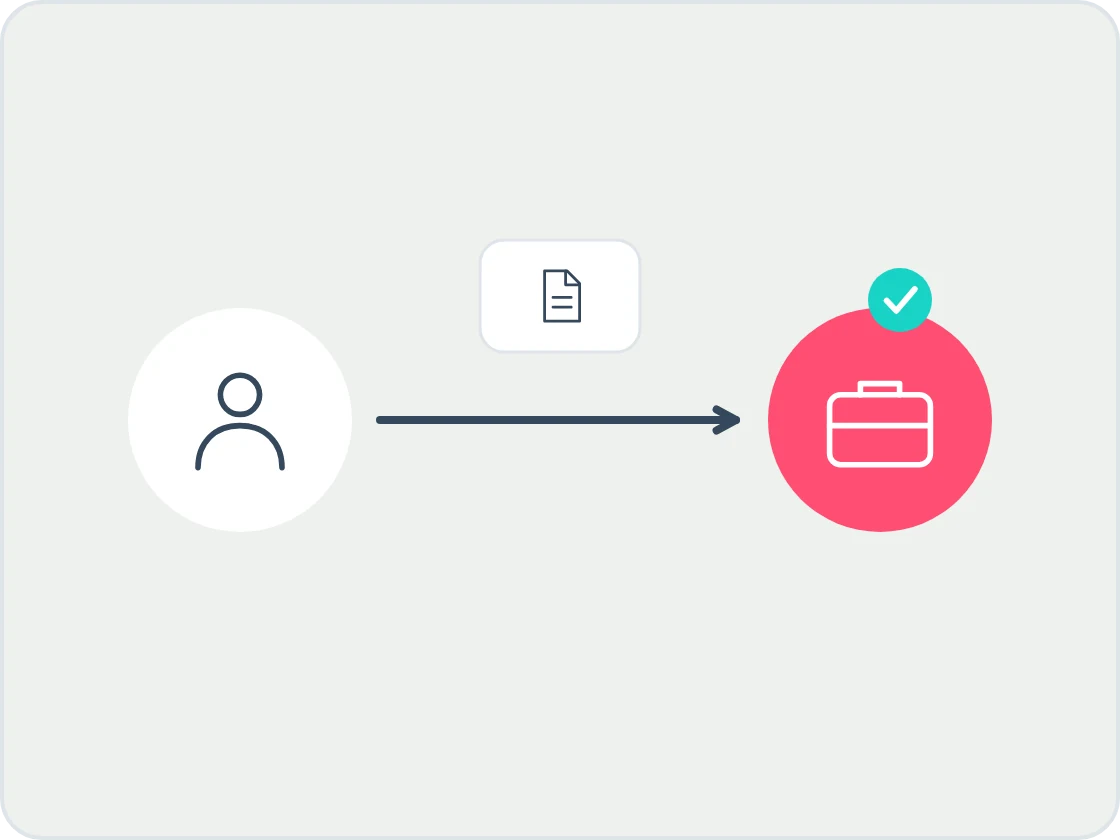
Landlords nominate a letting agent on the PRS database while they are registering each property: you create your landlord entry, add the property, and choose who will complete the property details. The agent you name is invited to that one property. You then check what they entered, declare it and pay.
Start your registration and create your landlord entry.
YouOn the GOV.UK service “Register your rental property”.
Add the property and its ownership details.
You
Choose who completes the property details.
YouYou, or your appointed letting agent or property manager. You give the agent’s contact details, and the agent is sent an invitation for that property.
Your agent completes the delegated details.
Your agentOccupants, households, rent, furnishing, licensing and safety certificates.
Check, declare, submit and pay.
YouOnly you can do this step.
The service is not yet public, so this is a description in words rather than a walkthrough. It follows draft Regulation 4(5), which lets a letting agent or property manager appointed by the person making the entry provide the Part 2 property information, and the process MHCLG showed to industry in autumn 2026 (subject to change). If your region has opened, check your regional deadline before you start.
Do you have to use a letting agent?
No. Nominating an agent is optional. A landlord who manages their own property completes every section themselves. The agent route exists because much of the information is held by whoever manages the tenancy, such as the rent, the number of occupants and households, and the dates of safety certificates.
For one property, doing it yourself is realistic. Agents involved in prototype testing estimated 20–25 minutes per property, against a government estimate of 10–15 minutes, both as presented to industry in autumn 2026. The time adds up across a portfolio, which is why many landlords will ask their agent to take the middle section. How long will registration take?
What should you agree with your agent before you nominate them?
Agree the scope, the fee, who supplies what and the deadline in writing before you nominate your agent. As shown to industry, an agent receives an email invitation for each property and has no option to accept or reject it, so an agent can be asked to act before anyone has agreed terms.
Agree these four things first
- Scope. Is registration support part of your agent’s service, or an extra? Does it cover renewals and updates, or only the first entry?
- Fee. Will the agent charge for the work? Some agents have said they expect to charge. Any charge is separate from the £65 government fee, which you pay.
- Who supplies what. Which documents and facts will you provide (for example gas, electrical and EPC records, or a licence number) and which will the agent already hold?
- Deadlines. Which regional deadline applies to your property, and by when does the agent need your sign-off so you can check and pay before it?
Putting this in a short email or an addendum to your management agreement is enough to start. Take legal advice if you want contractual wording. Information the registration asks for, field by field

Which parts of the registration stay your responsibility?
Landlords stay responsible for the registration and for the accuracy of what is submitted, whoever typed it in. The Renters’ Rights Act 2025 puts the duty to have active entries on the residential landlord (s.82(3)), and the draft Regulations allow an agent to supply only the Part 2 property information.
Four things stay with you:
- starting the registration and creating your landlord entry
- the final check, declaration and submission
- paying the fee, because the draft Regulations say an entry cannot be made unless the fee has been paid by the person making it (draft Reg 6(5))
- keeping the entry up to date and renewing it each year
Not registering, or giving false information, can lead to civil penalties of up to £7,000 or £40,000, and a landlord in breach cannot obtain most possession orders. These penalties are in the Renters’ Rights Act 2025 but are not yet in force; see what happens if a property is not registered.
An agent’s mistake does not move these consequences to the agent.

What if you are an overseas landlord?
Landlords based outside the UK still have to start their own registration, and may find the service harder to use. As shown to industry in autumn 2026, the service has no translation. Access from some countries may also be restricted, which is a risk to test early rather than a confirmed restriction.
Plan for this before your region’s deadline, not during it. Two practical points follow from the draft Regulations. First, the landlord entry asks for a residential address and contact details (draft Schedule 2), and each dwelling entry asks for a correspondence address in England and Wales (draft Schedule 3, Part 1, paragraph 2). Second, the draft recognises people who act for a landlord in a legal capacity, including a power of attorney holder or an equivalent appointment under the law of another country, and requires evidence of that authority to be supplied (draft Schedule 2, paragraphs 17 to 19). That is a different role from an appointed letting agent. Whether it suits your situation is a question for a solicitor.
Tell your agent early if you are overseas, so they can say what they can and cannot do on your behalf.

What if the property has joint owners?
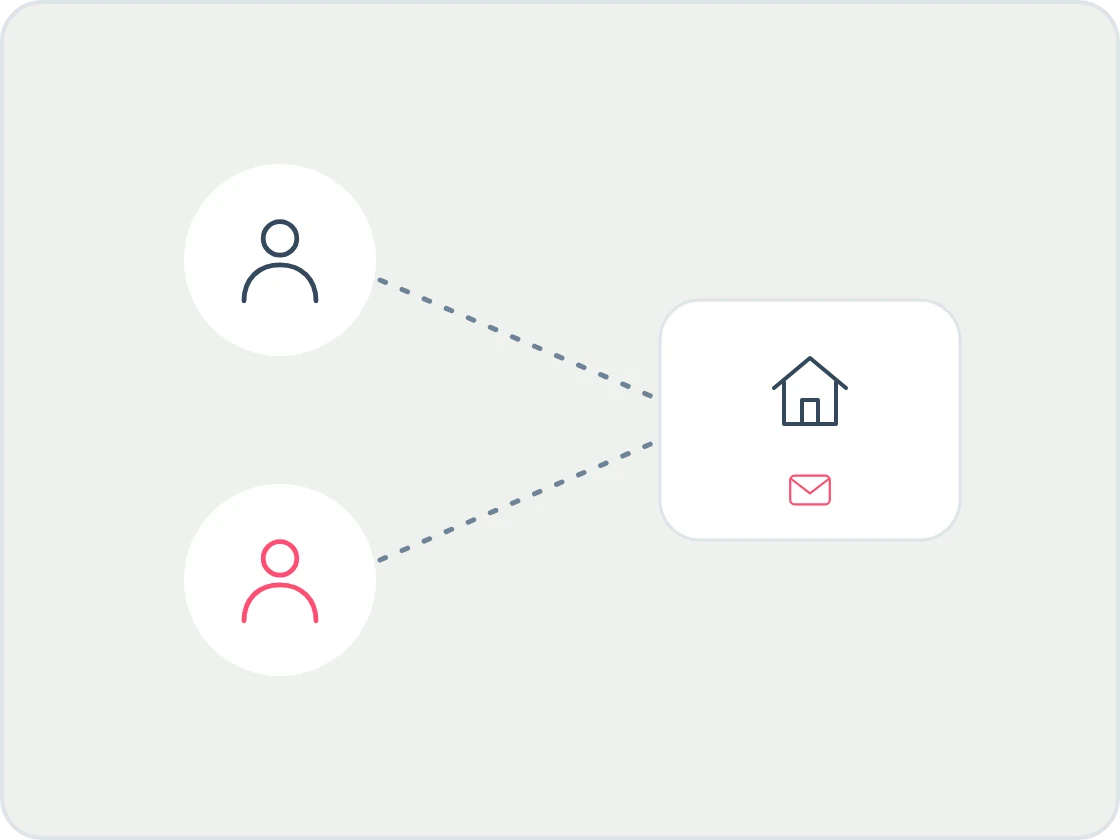
One joint landlord can make the entry on behalf of the others, so agree who will. The draft Regulations refer to “the joint landlord who is making” the entry on behalf of the joint landlords (draft Reg 10(5)). As shown to industry in autumn 2026, joint landlords add steps, and each may have a part to complete.
Decide between yourselves who starts the registration, who will give the agent’s details and who will pay. All joint landlords remain landlords for the purposes of the duty in s.82(3). If you own through a family arrangement or an inherited property, tell your agent how the property is held, because that determines who has to be named.
What if the landlord is a company?
A company, partnership, trust or other organisation registers as the organisation, not as an individual. The draft Regulations ask for the organisation’s name, type of legal entity, address (not a PO box), the individual making the entry, and a nominated contact for the database (draft Schedule 2, paragraphs 6 to 12). A Companies House number is asked for where there is one. If there is none, the directors, trustees, partners or members of the governing body are asked for instead (paragraph 15).
Choose the nominated contact with care, because that person will be the point of contact for the registration. Agree with your agent whether they will work with that contact or with the individual who makes the entry.

What happens if your details change?
The entry must be updated within 28 days of any information becoming out of date (draft Regs 8 and 9). A new tenant, a change of rent or a new gas safety record all count. Draft Reg 7(2) lets an appointed letting agent or property manager update the property information on your behalf. You remain responsible for it being done.
Each entry also has to be renewed every 12 months (draft Reg 10). An active dwelling entry cannot be renewed unless the relevant fee has been paid (draft Reg 10(2)), so the fee is due on each dwelling entry at each renewal. Ask your agent whether updates and renewals are part of the service you are agreeing to, because it is the most common thing for a landlord to assume and an agent not to.

What happens if you switch letting agents?
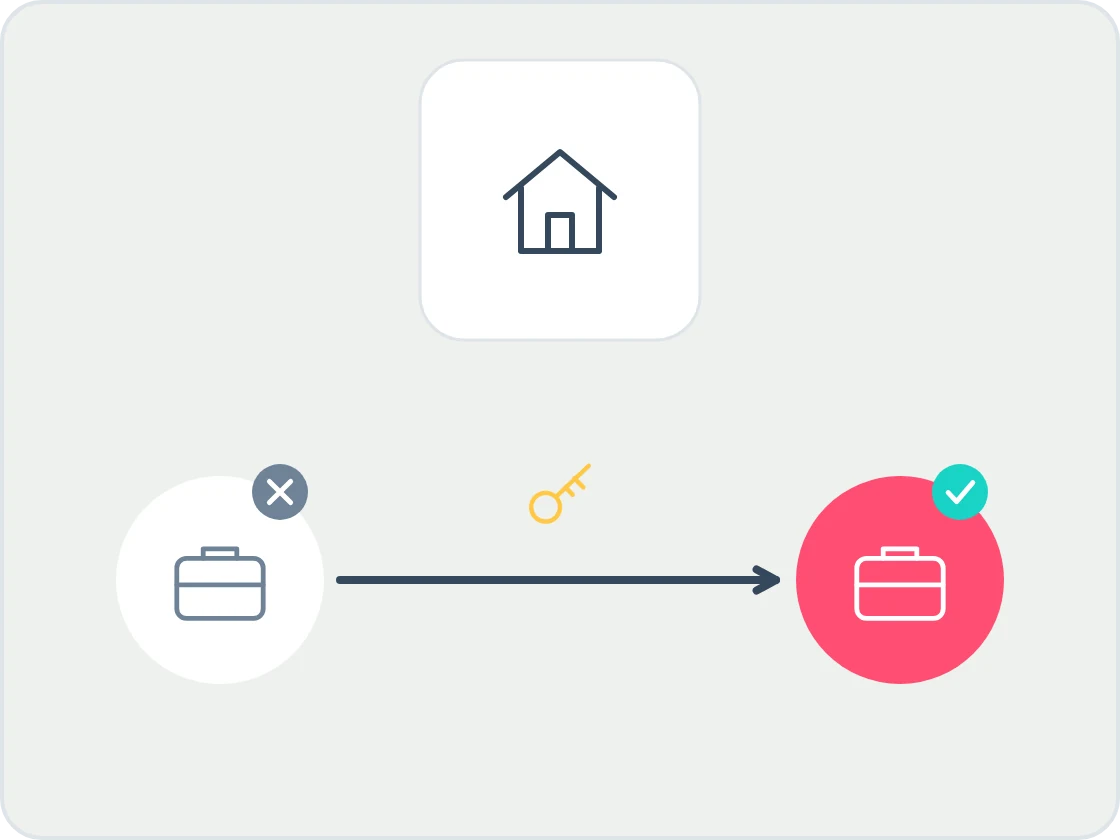
If you change agent, the new agent will need to be named on each of your properties. The agent’s contact details sit against each property, because each property registration has its own invitation. Our reading, which is an inference from that design and not a confirmed rule, is that you will need to update the nomination for every property you move.
Before you switch, ask both agents who will keep the entries up to date during the handover, and make sure someone supplies the current certificates and licence details to the new agent.
Which licensing questions will the registration ask?
The registration asks whether each property needs a licence from the council, which type, and its number or application reference, and you confirm the answers under a warning that giving false information is an offence. Registering does not give you a licence. Your agent may already hold your licence details, so share them early. Does the PRS database change property licensing?

Should you ask your agent whether they offer registration support?
Yes. Ask your agent now, before your region opens, whether they will offer registration support, what it covers and what it costs.
Frequently asked questions
No. The landlord must create the entry, make the final declaration and pay. An appointed letting agent or property manager can provide the property details. Can a letting agent register a property for a landlord?
As shown to industry in autumn 2026, the agent receives an invitation for each property and there is no accept or reject option. That is why you should agree the arrangement with your agent first.
The landlord pays when they submit the registration. Any fee your agent charges for the work is separate and is a matter for your agreement with them.
You remain responsible. Landlord and property details are needed when the entry is made, and tenancy and compliance details within 28 days. Agree in advance whether registration is part of your agent’s service.
Yes. You complete every section yourself.
The company registers as an organisation, with a nominated contact and the details of the individual making the entry.
You must still start your own registration. The service has no translation and access from some countries may be restricted, so test access well before your region’s deadline.
Not sure whether your agent offers registration support?
Ask them before your region opens.
