
Unlicensed HMOs in Cardiff can lead to prosecution
Property Licensing Guide for Cardiff
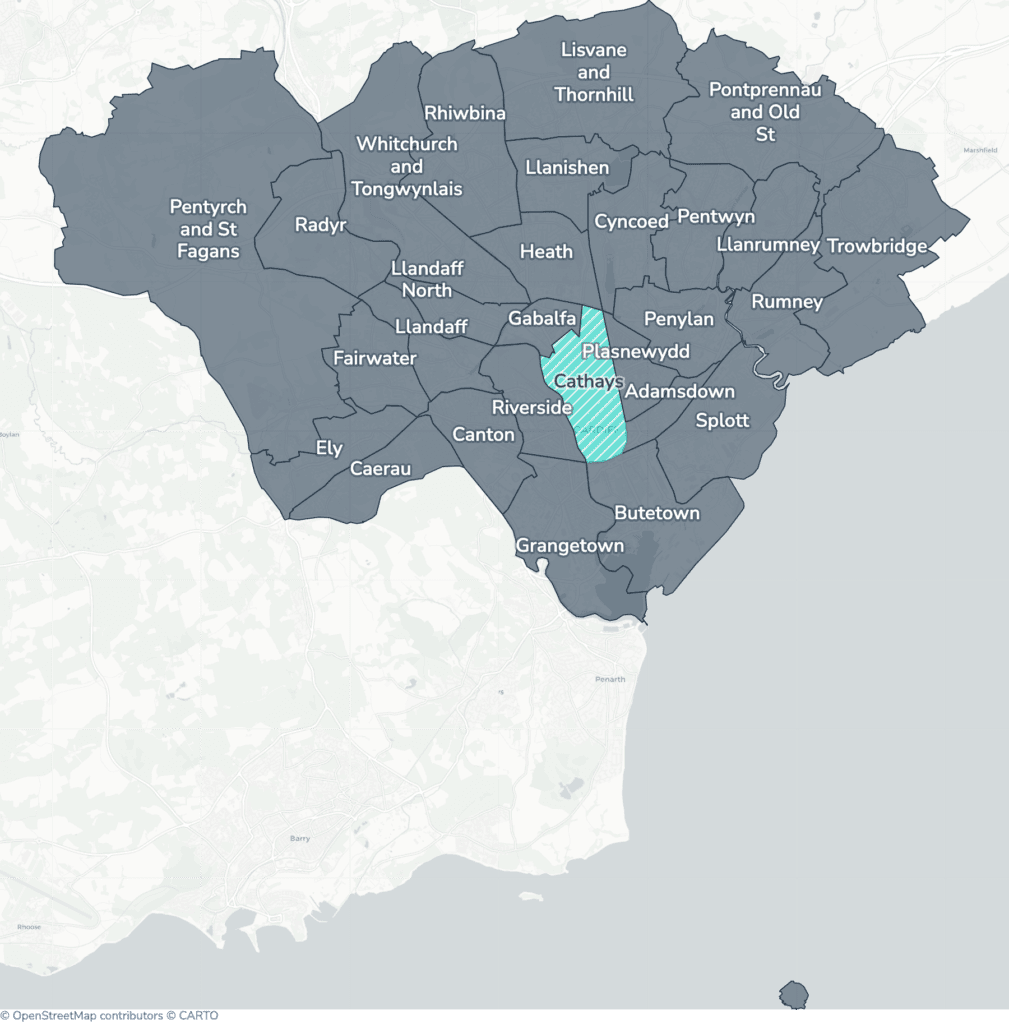
Cardiff currently operates additional licensing in 1 ward; mandatory HMO licensing and Rent Smart Wales registration apply everywhere. Last checked: 20 October 2026.
This free guide will provide you with the key details regarding what licensing requirements are necessary in this area and how to apply for a licence.
New to this? Read our overview: What is selective licensing?
Cardiff Property Licensing Schemes
Agents who manage an HMO in Cardiff need a Rent Smart Wales licence, and the HMO itself needs a Cardiff Council licence if it falls under the mandatory or additional scheme. To check whether a Cardiff HMO is licensed, see the public register of licensed HMOs that Shared Regulatory Services publishes for the council.
Is manual compliance causing a headache for your agency? At Kamma, we specialise in automating licensing compliance for agents across the UK. If you need any assistance in getting your property portfolio compliant, find out how we can help letting agents here.
Not sure whether a Cardiff property needs a licence? Kamma's free checker covers selective, additional and HMO schemes.
Check a Cardiff property →What are the licensing requirements for Cardiff?
Mandatory licensing in Cardiff
Mandatory HMO licensing applies across Cardiff (and all of Wales) to larger HMOs. These are properties of three or more storeys occupied by five or more people forming more than one household, including:
- Shared houses and flats occupied by students and young professionals.
- Properties converted into bedsits with some shared facilities.
- Properties converted into a mix of self-contained and non-self-contained accommodation.
Do I need an additional property licence in Cardiff?
Additional licensing requires smaller HMOs in a designated area to be licensed. That means a privately rented property with three or more people forming more than one household.
Cardiff operates additional HMO licensing. The current designation is set out below.
Do I need a selective licence in Cardiff?
Selective licensing requires almost all privately rented properties in a designated area to be licensed, regardless of the number of occupants.
Cardiff does not currently operate a selective licensing scheme.
Additional licensing: 1 February 2023 to 1 February 2028, covering Cathays.
Mandatory HMO licensing: in force since 2006 for HMOs of three or more storeys with five or more people forming more than one household.

How do I apply for a licence?
You can apply for a licence via Cardiff Council’s website here. Or let Kamma’s expert team process the application for you.
How much does a licence cost?
Cardiff Council sets the following licence fees, which apply to both mandatory and additional HMO licensing. Each is an initial payment on application plus a second payment after inspection, and the second payment is higher where the property does not meet HMO licensing standards:
- Shared house or single flat, up to 4 bedrooms: £160 on application, then £230 if compliant or £650 if not, giving a total of £390 or £810.
- Shared house or single flat, 5 to 9 bedrooms: £160, then £250 or £700, giving a total of £410 or £860.
- Shared house or single flat, 10 to 15 bedrooms: £160, then £280 or £750, giving a total of £440 or £910.
- Shared house or single flat, 15 or more bedrooms: £160, then £300 or £800, giving a total of £460 or £960.
- Blocks of flats: £160, then £120 or £580, giving a total of £280 or £740, plus a per-flat charge of £40 for a flat of up to 2 bedrooms or £50 for one of 3 or more (£70 and £90 respectively where the property is not compliant).
- New owner of a compliant licensed property, taking on the existing licence terms: £40, then £70, or a single payment of £100 with the application.
Fees are set by the council and can change. Check the Shared Regulatory Services HMO licensing pages for Cardiff for the latest figures.
We Handle Your Cardiff Applications End-to-End




TRUSTED BY LEADING AGENTS & LANDLORDS ACROSS THE UK






Managing Across Multiple Boroughs?
Reduce risk by swapping manual tracking for our licensing compliance platform Kamma Suite.
1 licensing scheme. Know exactly what you need.
Cardiff Property Licensing FAQs
What licensing schemes does Cardiff operate?
Cardiff operates additional licensing (1 February 2023 to 1 February 2028), alongside the mandatory HMO scheme. Shared Regulatory Services also lists Plasnewydd as an additional licensing area, and the council was reported in October 2026 to be proposing to renew it. Landlords and agents in Cardiff must also register or hold a licence with Rent Smart Wales. See the scheme details above.
Do all properties in Cardiff need a licence?
No. Cardiff Council does not run a selective licensing scheme, so a licence is needed only for an HMO. An HMO of three or more storeys with five or more occupiers who form two or more households needs a mandatory licence anywhere in Cardiff. A smaller HMO with three or more occupiers needs an additional licence in Cathays, where the scheme has applied since 1 February 2023, and in Plasnewydd where that scheme applies. Landlords and agents must also register or hold a licence with Rent Smart Wales.
What if my property doesn't have a licence?
If a Cardiff HMO that needs a licence has none, the landlord or manager commits an offence under the Housing Act 2004 and can be prosecuted and fined with no upper limit. A tribunal can also order the landlord to repay up to 12 months of rent. A landlord who is not registered with Rent Smart Wales, or who has no licence and does not use a licensed agent, can receive a fixed penalty notice of £150 or £250 or be prosecuted, and cannot serve a valid possession notice. A letting agent who manages the property can be prosecuted in its own right.
Can letting agents apply on behalf of landlords?
Yes. Letting agents can apply for HMO licences on behalf of landlords in Cardiff, and many manage the full process.
How do I apply for a Cardiff property licence?
You can apply through the Shared Regulatory Services HMO pages for Cardiff (licensing pages), which carry the application form. You can also use a managed service such as Kamma.
Does Cardiff have selective licensing?
No. Cardiff Council does not operate selective licensing. It licenses HMOs under the mandatory scheme and the additional scheme, which covers Cathays from 1 February 2023 to 1 February 2028 and Plasnewydd.
Why did Cardiff introduce additional licensing?
Cardiff Council says its additional licensing schemes also tackle wider community issues such as waste, anti-social behaviour, energy efficiency and property security. The Cathays scheme has applied since 1 February 2023 and covers HMOs that fall outside mandatory licensing.
What are the conditions to obtain an HMO licence in Cardiff?
Cardiff’s HMO licence conditions cover fire safety, amenities and management, and the council applies set fire and amenity standards (licence conditions).

About Cardiff
Cardiff Council has run additional HMO licensing in Cathays since 1 July 2010. The scheme was re-declared on 1 January 2016 and again on 1 February 2023, in each case for five years. Plasnewydd became an additional licensing area on 3 November 2014 and was re-declared from 1 January 2021 for five years. In October 2026 the council was reported to be proposing a further five years for Plasnewydd, subject to consultation. Shared Regulatory Services runs HMO licensing on the council’s behalf.
Licensing Enforcement in Cardiff
Cardiff Council is the licensing authority for HMOs in the city. Managing or controlling an HMO that needs a licence without one is an offence under the Housing Act 2004, and the penalty on conviction is a fine with no upper limit. A tribunal can also order the landlord to repay up to 12 months of rent. A landlord who lets without Rent Smart Wales registration can receive a fixed penalty notice of £150 or £250 or be prosecuted. Where a letting agent manages the property, the agent can be prosecuted in its own right, and agents in Wales must also hold a Rent Smart Wales licence.
