
Unlicensed Properties Risk Fines in Great Yarmouth
Property Licensing Guide for Great Yarmouth
Great Yarmouth currently operates selective licensing in 4 wards; mandatory HMO licensing applies everywhere. Last checked: 20 October 2026.
This free guide will provide you with the key details regarding what licensing requirements are necessary in this area and how to apply for a licence.
New to this? Read our overview: What is selective licensing?
Great Yarmouth is in the East of England registration window for the PRS database, which opens on 15 January 2027: see how the East of England registration window affects letting agents.
Great Yarmouth Property Licensing Schemes
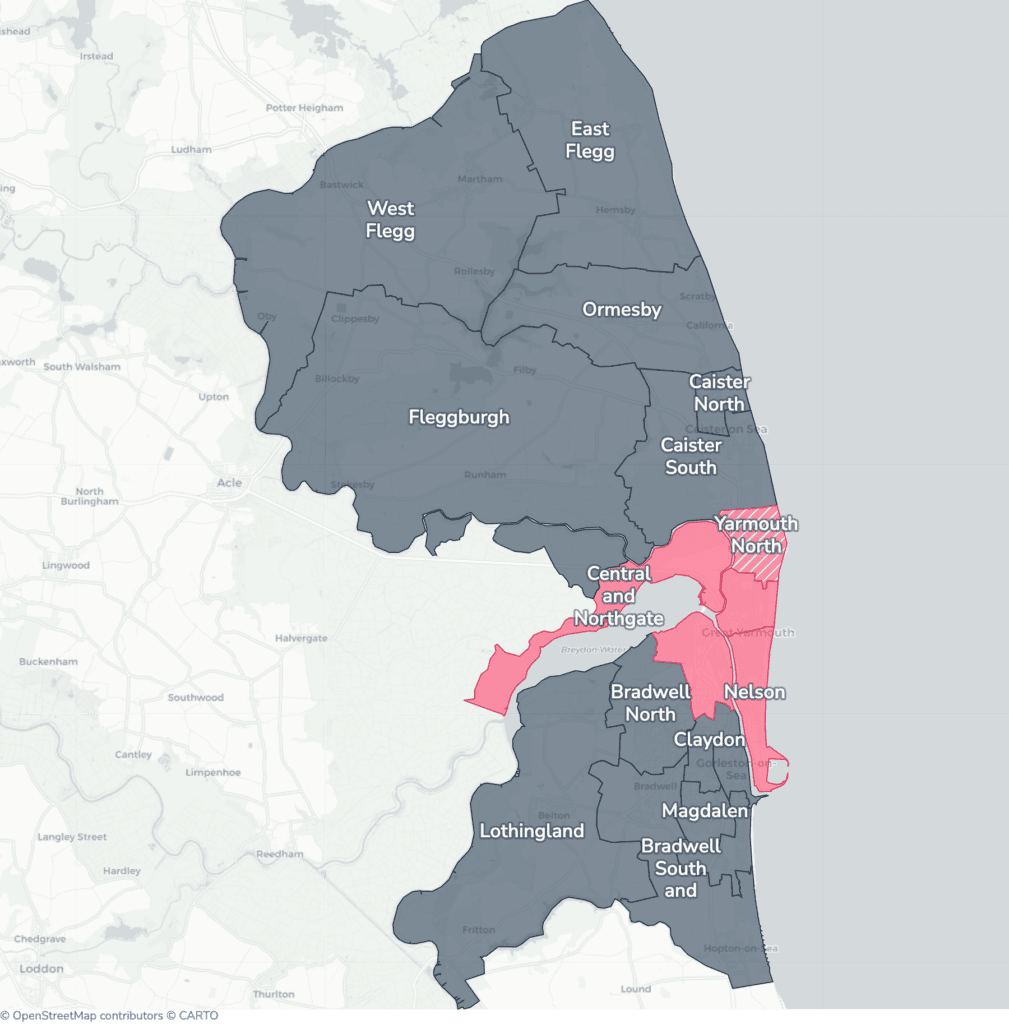
To check a property, match its street against the selective area: all of Nelson, Central and Northgate, and Southtown and Cobholm, plus eight named streets in Yarmouth North. Our free checker does this by address.
Is manual compliance causing a headache for your agency? At Kamma, we specialise in automating licensing compliance for agents across the UK. If you need any assistance in getting your property portfolio compliant, find out how we can help letting agents here.
Not sure whether a Great Yarmouth property needs a licence? Kamma's free checker covers selective, additional and HMO schemes.
Check a Great Yarmouth property →What are the licensing requirements for Great Yarmouth?
Mandatory licensing in Great Yarmouth
Mandatory HMO licensing applies across Great Yarmouth (and all of England) to larger HMOs. These are properties occupied by five or more people forming more than one household, including:
- Shared houses and flats occupied by students and young professionals.
- Properties converted into bedsits with some shared facilities.
- Properties converted into a mix of self-contained and non-self-contained accommodation.
Do I need an additional property licence in Great Yarmouth?
Additional licensing requires smaller HMOs in a designated area to be licensed. That means a privately rented property with three or more people forming more than one household.
Great Yarmouth does not currently operate an additional HMO licensing scheme; larger HMOs are covered by the national mandatory HMO scheme.
Do I need a selective licence in Great Yarmouth?
Selective licensing requires almost all privately rented properties in a designated area to be licensed, regardless of the number of occupants.
Great Yarmouth operates selective licensing. The current designation is set out below.
Selective licensing: 1 April 2026 to 31 March 2031, covering Central and Northgate, Nelson, Southtown and Cobholm and Yarmouth North.
Mandatory HMO licensing: in force since 2006 for HMOs of five or more people forming more than one household.

How do I apply for a licence?
You can apply for a licence via Great Yarmouth Council’s website here. Or let Kamma’s expert team process the application for you.
How much does a licence cost?
Great Yarmouth Borough Council sets the following licence fees:
- Selective: £694 per self-contained unit for a five-year licence, split into two parts: £200 on application, which covers processing and is not refundable if the licence is not granted, and £494 payable before the licence is issued. The second part reduces monthly for applications made later in the scheme, but a late application is backdated to the date the property was first let or the start of the scheme, whichever is later.
- Mandatory HMO: handled through the council’s application partner rather than published as a figure on the council’s own pages. Check Great Yarmouth Borough Council’s licensing pages for the current amount.
A small HMO that falls under mandatory licensing counts as one unit; fully self-contained flats in a converted building count individually. Fees are set by the council and can change. Check Great Yarmouth Borough Council’s licensing pages for the latest figures.
We Handle Your Great Yarmouth Applications End-to-End


TRUSTED BY LEADING AGENTS & LANDLORDS ACROSS THE UK

Managing Across Multiple Boroughs?
Reduce risk by swapping manual tracking for our licensing compliance platform Kamma Suite.
1 licensing scheme. Know exactly what you need.
Great Yarmouth Property Licensing FAQs
What licensing schemes does Great Yarmouth operate?
Great Yarmouth operates selective licensing (1 April 2026 to 31 March 2031), alongside the national mandatory HMO scheme. See the scheme details above.
Do all properties in Great Yarmouth need a licence?
Not every property in Great Yarmouth needs a licence. Selective licensing applies to privately rented homes in the designated area: all of Nelson, Central and Northgate, and Southtown and Cobholm, plus eight streets in Yarmouth North. Elsewhere, only HMOs with five or more people from more than one household need a mandatory licence.
What if my property doesn't have a licence?
Operating a property that requires a licence without one can bring a civil penalty of up to £40,000 per property. Great Yarmouth Borough Council gives £9,000 as its starting point for a selective licensing civil penalty. The landlord also risks a rent repayment order of up to 24 months’ rent. A letting agent who manages the property or collects the rent commits the offence too and can be fined separately.
Can letting agents apply on behalf of landlords?
Yes. Letting agents can apply for a Great Yarmouth selective licence on behalf of a landlord. The fee is £694 per self-contained unit, and the licence runs to 31 March 2031.
How do I apply for a Great Yarmouth property licence?
Apply online through Great Yarmouth Borough Council’s selective licensing pages. Applications opened on 1 April 2026. The council set 30 June 2026 as the end of its three-month window, and the second part of the fee reduces monthly for later applications. Kamma can also prepare and submit the application.
Why did Great Yarmouth introduce selective licensing?
Great Yarmouth Borough Council introduced selective licensing for 1 April 2026 to 31 March 2031. The council says the scheme will make sure homes meet minimum standards and promote better letting management practices.
Why did Great Yarmouth introduce additional licensing?
Great Yarmouth Borough Council has not introduced additional licensing. As of 20 October 2026 only the national mandatory scheme applies to HMOs, for properties with five or more people forming more than one household.
What are the conditions to obtain an HMO licence in Great Yarmouth?
Great Yarmouth Borough Council publishes HMO amenity standards that cover fire safety, amenities and room sizes. See the council’s HMO amenity standards.
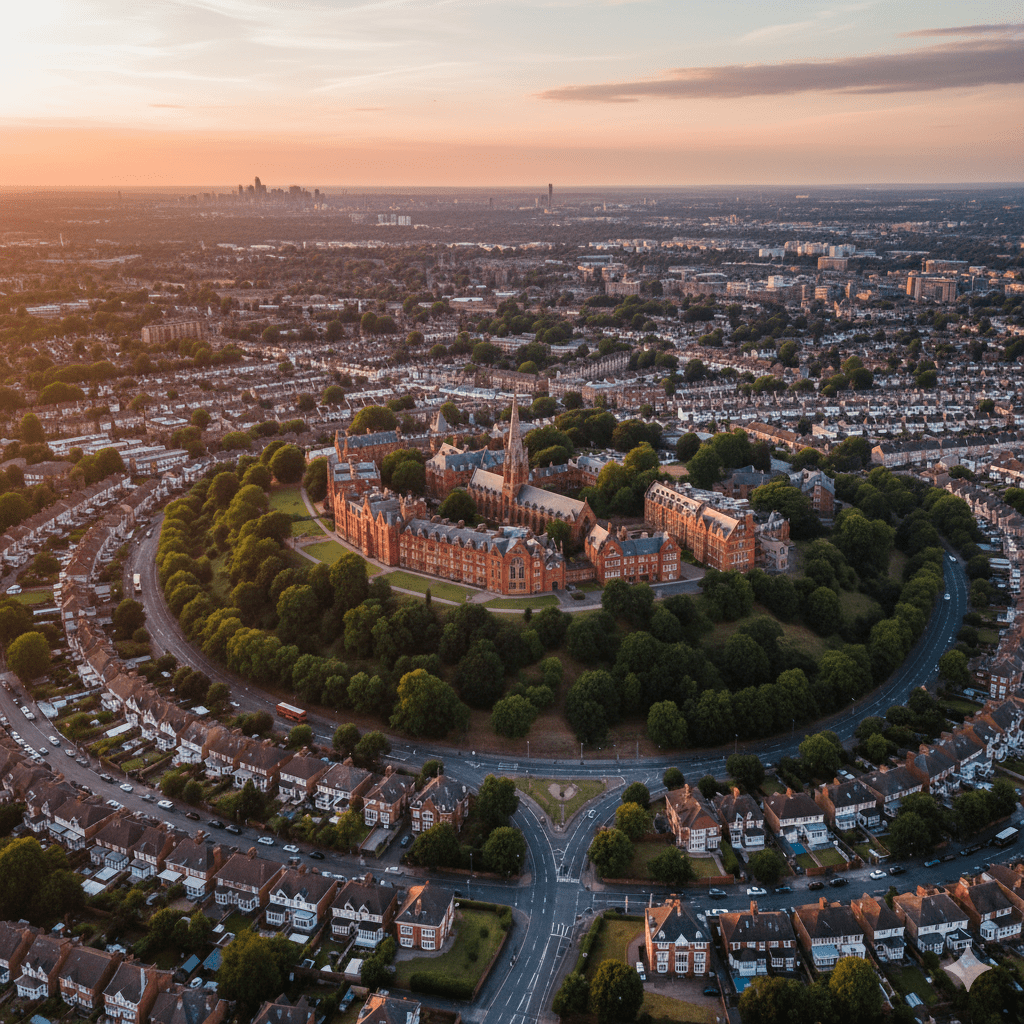
About Great Yarmouth
Great Yarmouth Borough Council designated selective licensing from 1 April 2026 to 31 March 2031. The council says the scheme covers about 5,000 rented homes, around 60 per cent of the borough’s privately rented properties. It states the aim as minimum standards and better letting management. Applications opened on 1 April 2026 and the council allowed until 30 June 2026 to apply.
Licensing Enforcement in Great Yarmouth
Great Yarmouth Borough Council’s selective licensing application window closed on 30 June 2026. Since 1 July 2026 the council can investigate properties with no application. It gives £9,000 as the starting point for a civil penalty, and the maximum is £40,000 per property. Prosecution can bring an unlimited fine. The landlord can also face a rent repayment order of up to 24 months’ rent. Where a letting agent manages the property or collects the rent, the agent commits the offence too and can be fined in its own right.
