
Tower Hamlets Council Is Moving To Data-Led Enforcement
Property Licensing Guide for Tower Hamlets
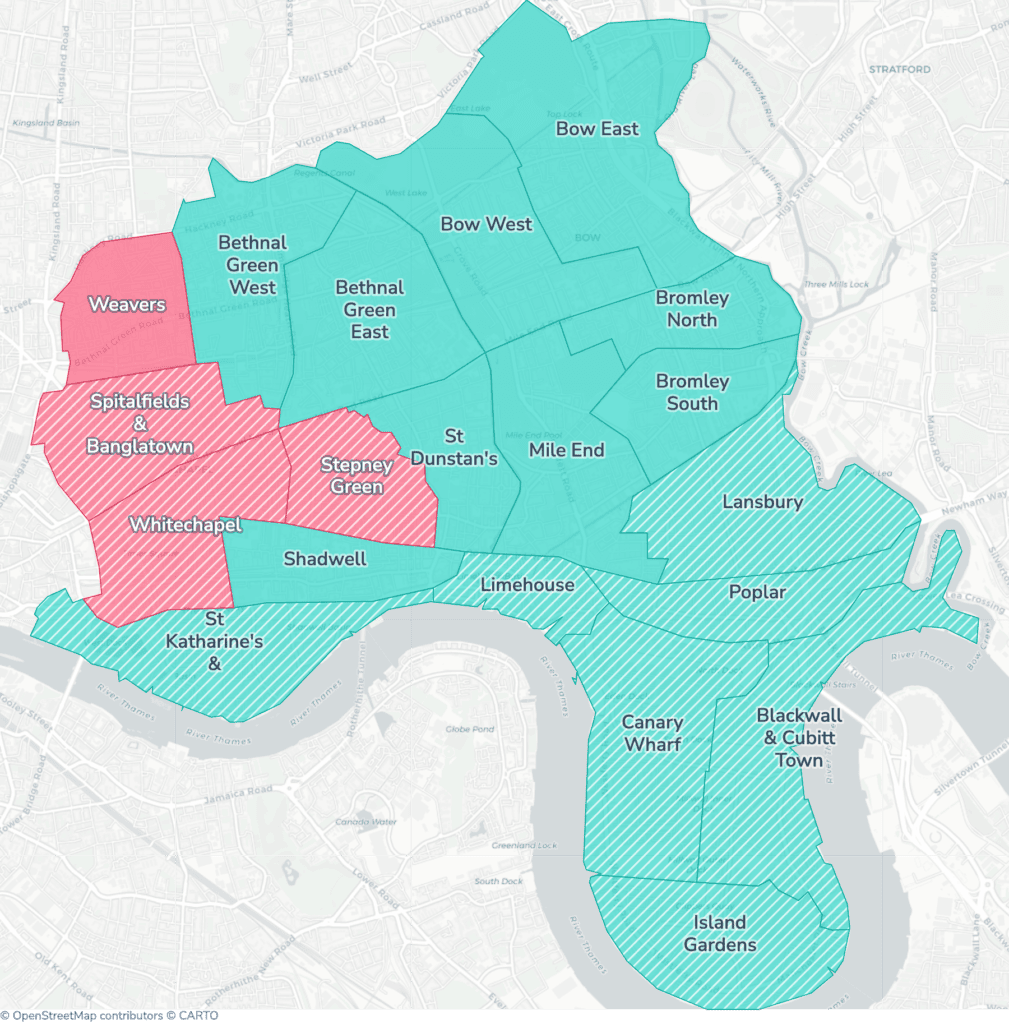
Tower Hamlets currently operates additional licensing in 20 wards; mandatory HMO licensing applies everywhere. Last checked: 20 October 2026.
This free guide will provide you with the key details regarding what licensing requirements are necessary in this area and how to apply for a licence.
New to this? Read our overview: What is selective licensing?
Tower Hamlets is in the London registration window for the PRS database, which opens on 15 July 2027: see PRS database registration in London.
Tower Hamlets Property Licensing Schemes
Tower Hamlets selective licensing ended on 30 September 2026, and the council has not designated a replacement. Licences issued before that date stay valid until they expire, usually after five years. Additional HMO licensing continues in all 20 wards until 31 March 2029.
Is manual compliance causing a headache for your agency? At Kamma, we specialise in automating licensing compliance for agents across the UK. If you need any assistance in getting your property portfolio compliant, find out how we can help letting agents here.
Not sure whether a Tower Hamlets property needs a licence? Kamma's free checker covers selective, additional and HMO schemes.
Check a Tower Hamlets property →What are the licensing requirements for Tower Hamlets?
Mandatory licensing in Tower Hamlets
Mandatory HMO licensing applies across Tower Hamlets (and all of England) to larger HMOs. These are properties occupied by five or more people forming more than one household, including:
- Shared houses and flats occupied by students and young professionals.
- Properties converted into bedsits with some shared facilities.
- Properties converted into a mix of self-contained and non-self-contained accommodation.
Do I need an additional property licence in Tower Hamlets?
Additional licensing requires smaller HMOs in a designated area to be licensed. That means a privately rented property with three or more people forming more than one household.
Tower Hamlets operates additional HMO licensing. The current designation is set out below.
Do I need a selective licence in Tower Hamlets?
Selective licensing requires almost all privately rented properties in a designated area to be licensed, regardless of the number of occupants.
Tower Hamlets does not currently operate a selective licensing scheme. The previous designation ended on 30 September 2026 and has not been replaced.
Additional licensing: 1 April 2024 to 31 March 2029, borough-wide (all 20 wards).
Mandatory HMO licensing: in force since 2006 for HMOs of five or more people forming more than one household.

How do I apply for a licence?
You can apply for a licence via Tower Hamlets Council’s website here. Or let Kamma’s expert team process the application for you.
How much does a licence cost?
| Item | Fee |
|---|---|
| Selective licence fee | £897 online (Part A £422, Part B £530); renewals £747. |
| Additional HMO licence fee | £1,323 online (Part A £618, Part B £787.50). |
| Mandatory HMO licence fee | £977 online (Part A £453.50, Part B £583.50) plus £68.50 per habitable room. |
Postal applications cost more.
We Handle Your Tower Hamlets Applications End-to-End




TRUSTED BY LEADING AGENTS & LANDLORDS ACROSS THE UK






Managing Across Multiple Boroughs?
Reduce risk by swapping manual tracking for our licensing compliance platform Kamma Suite.
2 licensing schemes. Know exactly what you need.
Tower Hamlets Property Licensing FAQs
What licensing schemes does Tower Hamlets operate?
Tower Hamlets operates additional HMO licensing in all 20 wards from 1 April 2024 to 31 March 2029. Mandatory HMO licensing has applied since 2006. Selective licensing ended on 30 September 2026.
Do all properties in Tower Hamlets need a licence?
Not every privately rented property in Tower Hamlets needs a licence. Since 30 September 2026 no selective scheme is in force, so a home let to one household needs none. An HMO needs a licence under mandatory licensing (five or more people) or additional licensing (three or more people forming two or more households).What if my property doesn't have a licence?
In Tower Hamlets, operating an HMO that requires a licence without one can bring civil penalties of up to £40,000 per property. The landlord also risks a rent repayment order of up to 24 months’ rent. A letting agent who manages the property or collects the rent commits the offence too and can be fined separately.Can letting agents apply on behalf of landlords?
Letting agents can apply for property licences on behalf of landlords in Tower Hamlets, and many manage the full process.
How do I apply for a Tower Hamlets property licence?
You can apply through Tower Hamlets Council’s website (licensing pages), or use a managed service such as Kamma.
Does Tower Hamlets still have selective licensing?
No. Tower Hamlets selective licensing ran from 1 October 2021 and ended on 30 September 2026. Licences issued before that date remain valid, normally for five years, and applications made before the end of 30 September 2026 continue to be processed. The council says it is considering options for a new scheme and commissioned a stock modelling report due in October 2026. No new selective designation has been made.
Why did Tower Hamlets introduce additional licensing?
Additional HMO licensing addresses overcrowding, disrepair and management standards in smaller HMOs not covered by the national mandatory scheme.
What are the conditions to obtain an HMO licence in Tower Hamlets?
The council’s HMO licence conditions set standards for fire safety, amenities, room sizes and management (licence conditions).
About Tower Hamlets
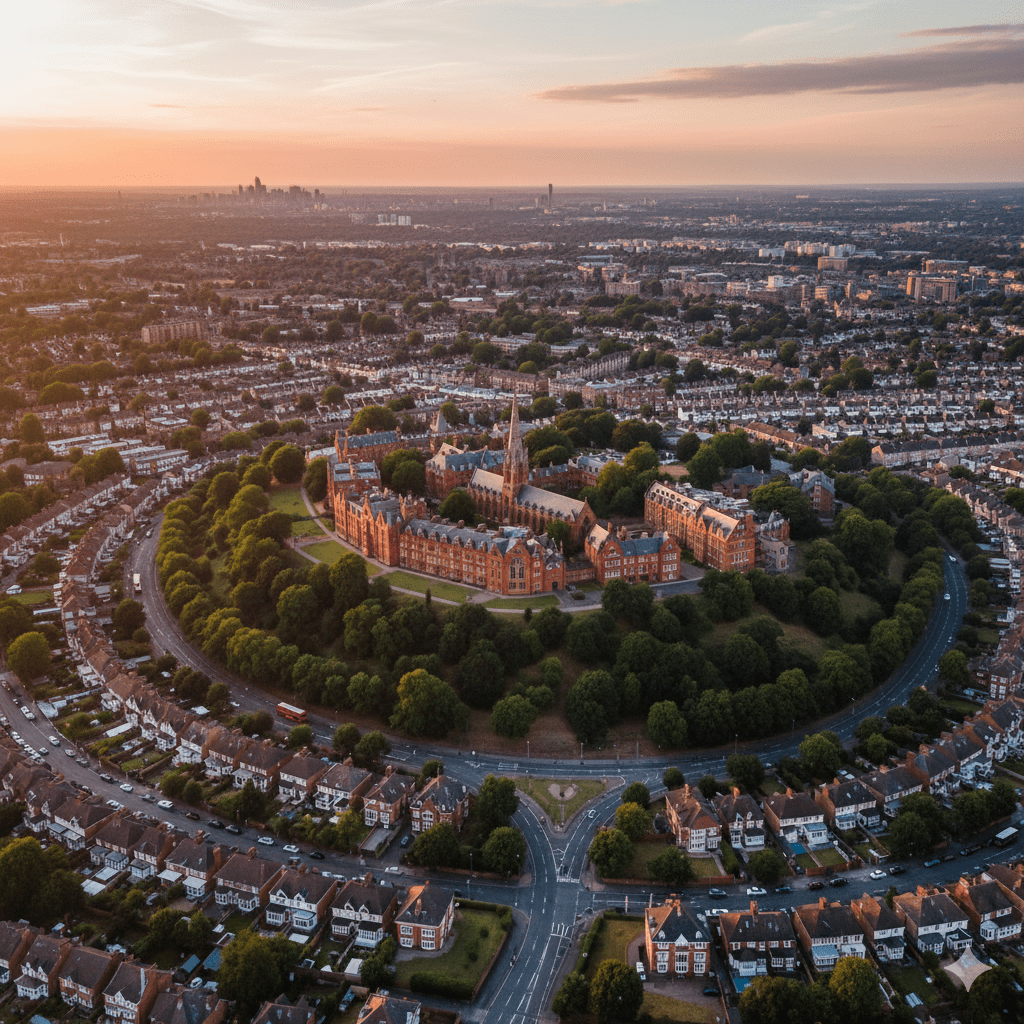
Tower Hamlets is an inner borough of London, stretching east from the Tower of London and encompassing much of the East End. Bounded by the River Thames to the south, the City of London to the west, Hackney to the north, and Newham to the east, it is part of the historic county of Middlesex. Formed in 1965 by merging the boroughs of Bethnal Green, Poplar, and Stepney, it includes areas like Spitalfields, Whitechapel, Bethnal Green, and the Isle of Dogs.
Licensing Enforcement in Tower Hamlets
Tower Hamlets Council licenses HMOs under its additional scheme (1 April 2024 to 31 March 2029, all 20 wards) and the national mandatory scheme. Letting a property without the required licence risks prosecution and civil penalties of up to £40,000 per property. The landlord can also face a rent repayment order of up to 24 months’ rent. Where a letting agent manages the property or collects the rent, the agent commits the offence too and can be fined in its own right.
Neighbouring borough guides
Licensing schemes stop at the borough boundary. A property one street over can need a different licence. Guides for the neighbouring boroughs:
Tracking licensing across a managed portfolio
A single Tower Hamlets address can be checked by hand. An agency managing several hundred properties across Tower Hamlets and the boroughs around it cannot work that way, and designations change often enough that a check made last quarter may no longer hold.
Kamma connects to the CRM your agency already works in and reads the address and tenancy fields a licensing determination depends on. The licensing position for each property then sits beside the record your team is already looking at.
Pages covering what Kamma reads from each system and how to connect it are available for Reapit, Street.co.uk, MRI Sales and Lettings, MRI Radar, Apex27, Acquaint CRM, Jupix, iamproperty, SME Professional, Rex Software, SleekTech. Alto and agentOS also integrate. The full list is on the CRM integrations page.
